

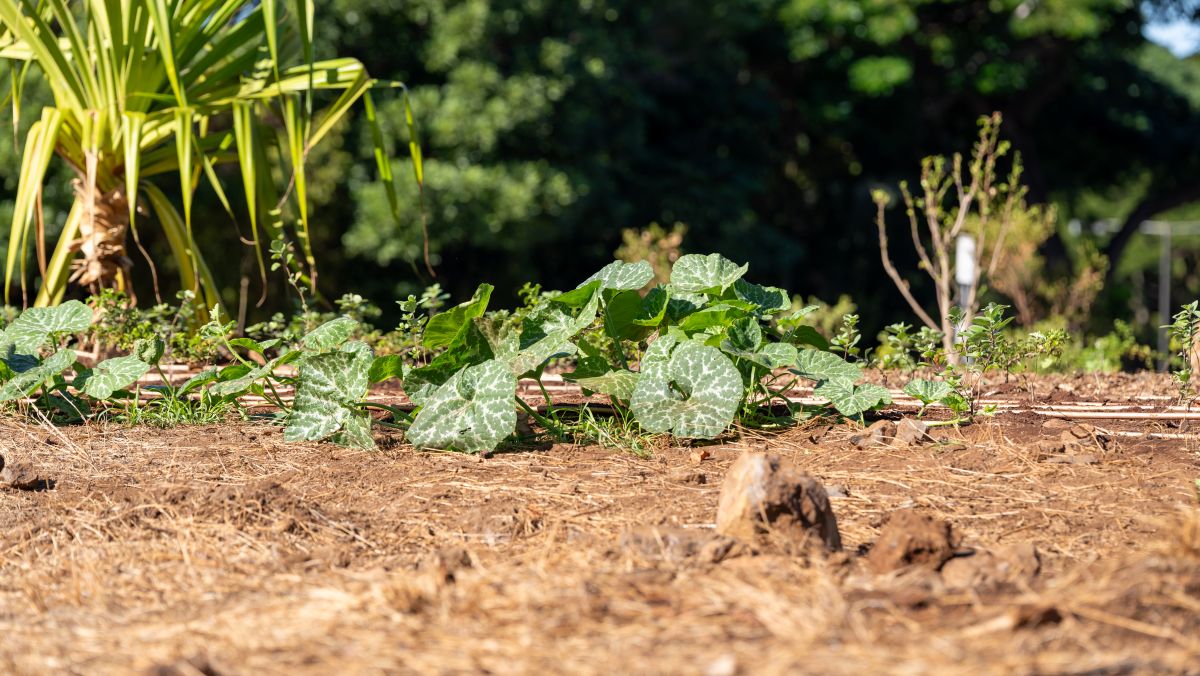
Acceptance of the Final Environmental Impact Statement
By Ledcor Maui
/ April 23, 2025
Acceptance of the Final Environmental Impact Statement Ledcor Maui is pleased to announce the acceptance of the Final Environmental Impact...
Read More
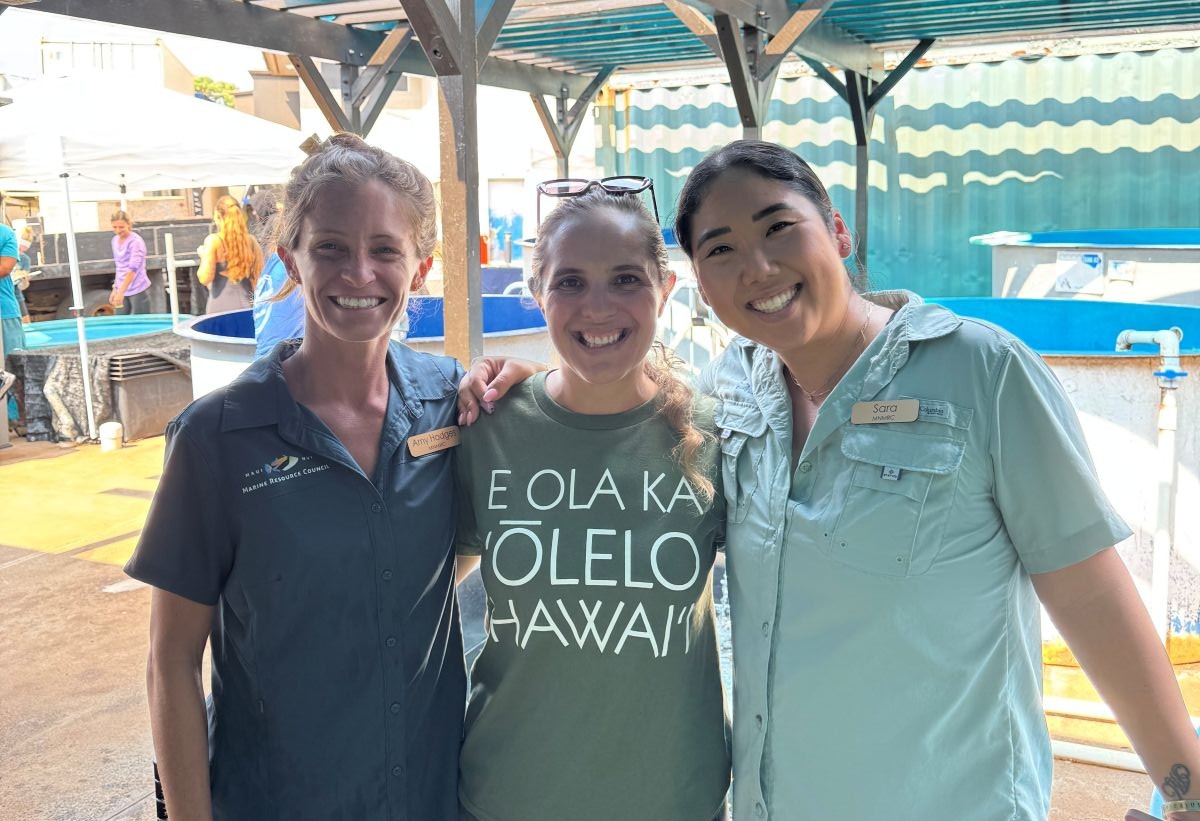
Hana Pūkoʻa – Working Together for Coral Restoration
By Ledcor Maui
/ April 10, 2025
Hana Pūkoʻa Working Together for Coral Restoration A member of the Ledcor Maui team enjoyed an educational and informative Hana...
Read More
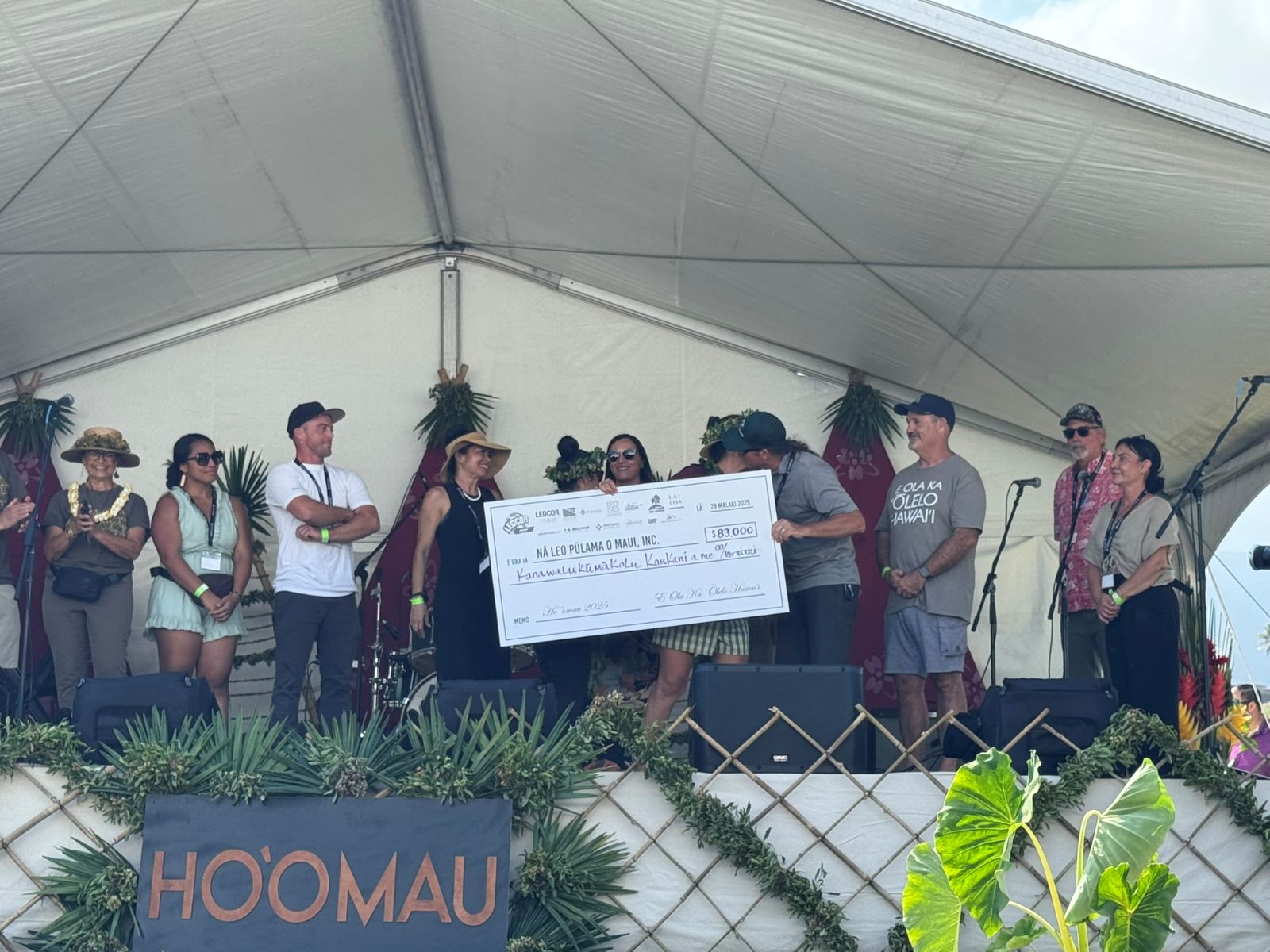
Ledcor Maui and ‘Āina Momona Raise Over $83,000 for Hoʻomau 2025
By Ledcor Maui
/ April 4, 2025
Ledcor Maui and ʻĀina Momona Raise $83,000 for Hoʻomau 2025 In a powerful demonstration of community solidarity and aloha, Ledcor...
Read More
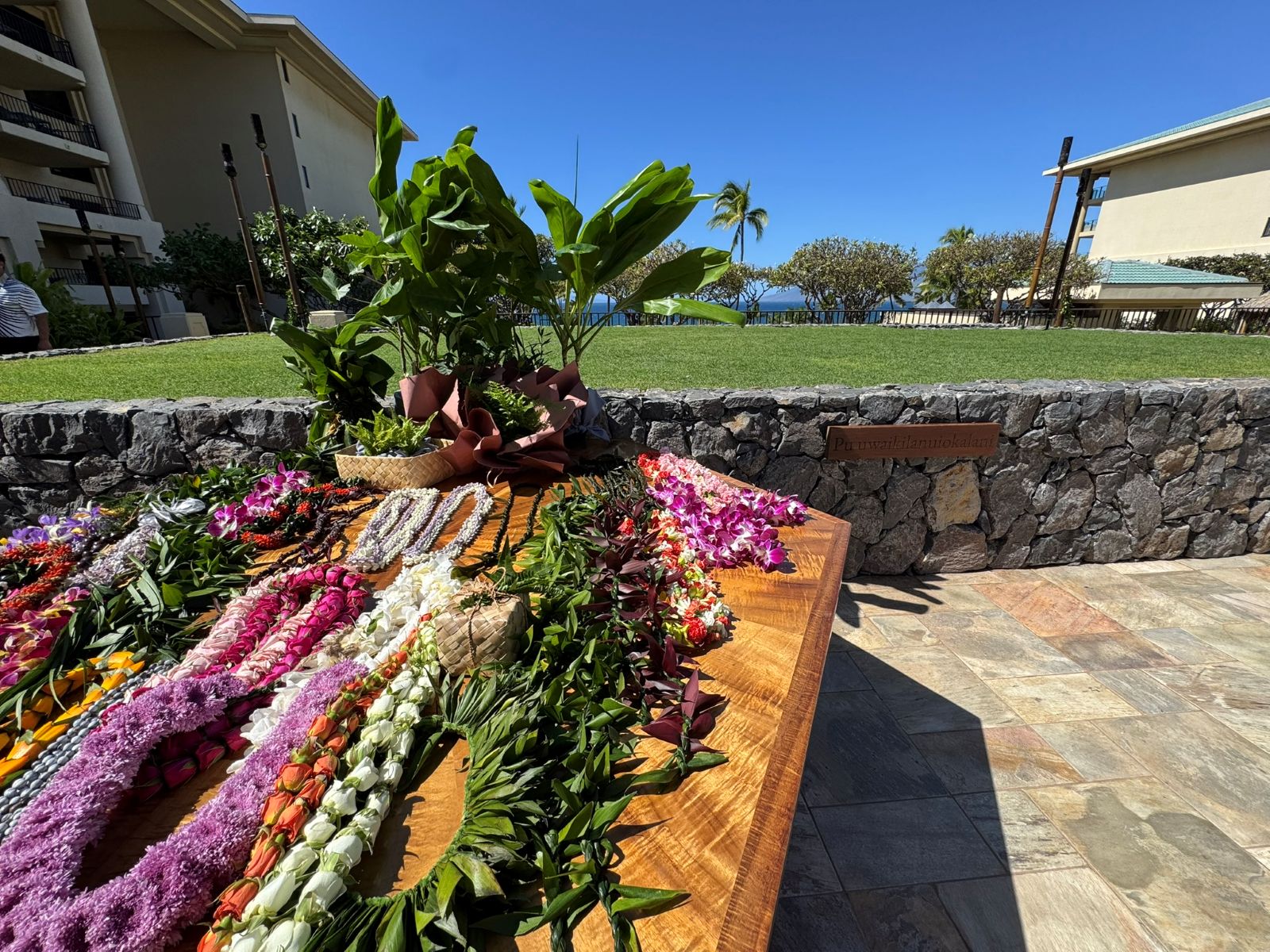
Pā Dedication a Moving Experience
By Ledcor Maui
/ March 4, 2025
Four Seasons Resort Maui Pā Dedication a Moving Experience In February 2025, members of the Ledcor Maui team along with...
Read More

Kuleana Training with Clifford Nae’ole
By Ledcor Maui
/ February 28, 2025
Kuleana Training with Uncle Clifford On February 19, Clifford Nae’ole led the Ledcor Maui team through a kuleana training titled...
Read More

Final Environmental Impact Statement Released
By Ledcor Maui
/ February 25, 2025
Ledcor Maui Announces Release of Final Environmental Impact Statement For Their South Maui Properties Ledcor Maui is pleased to announce...
Read More
Ledcor Maui & ‘Āina Momona Partner in a Fundraiser for Ho‘omau 2025
By Ledcor Maui
/ February 14, 2025
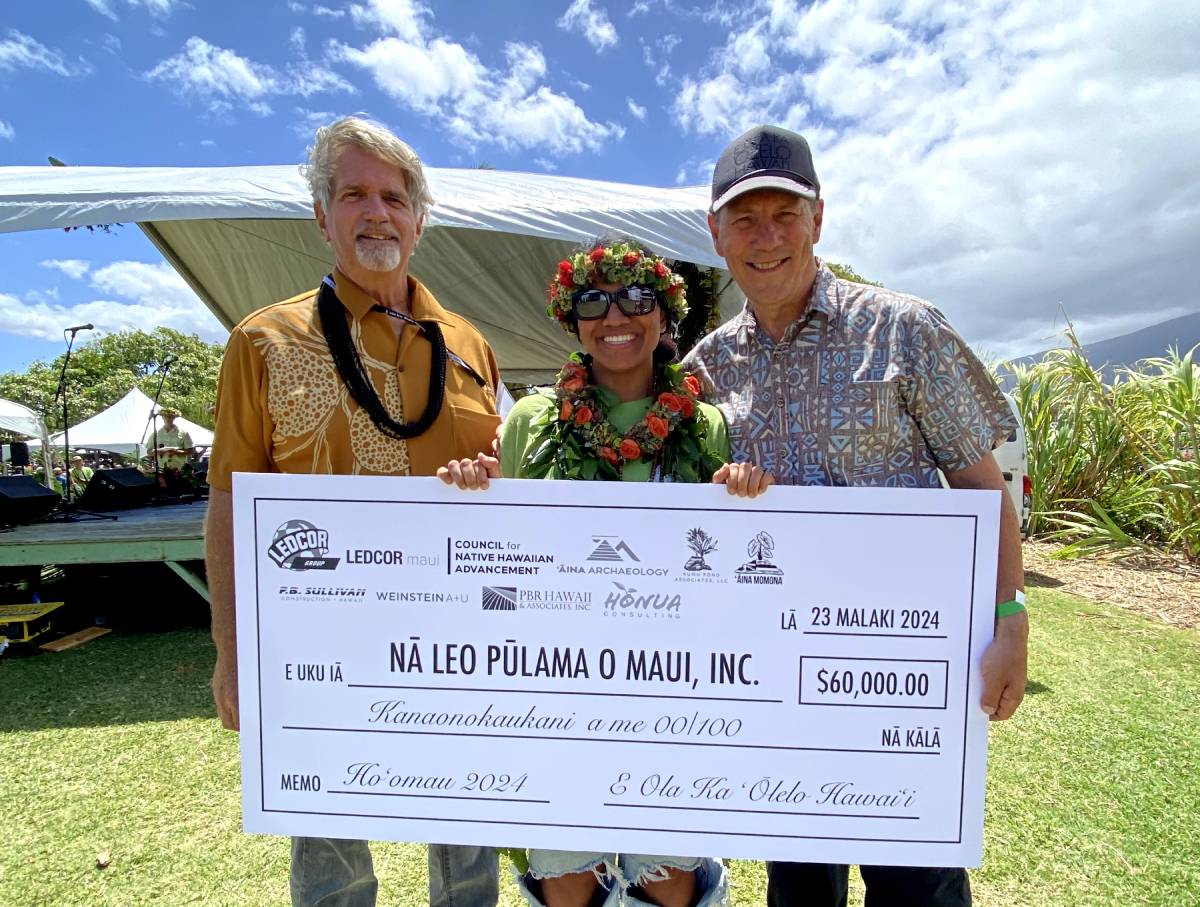
Ledcor Maui & ʻĀina Momona Partner in Fundraiser for Hoʻomau 2025 As we continue to honor Mahina ‘Ōlelo Hawai‘i (Hawaiian...
Read More
Hauʻoli Mahina ʻŌlelo Hawaiʻi!
By Ledcor Maui
/ February 4, 2025
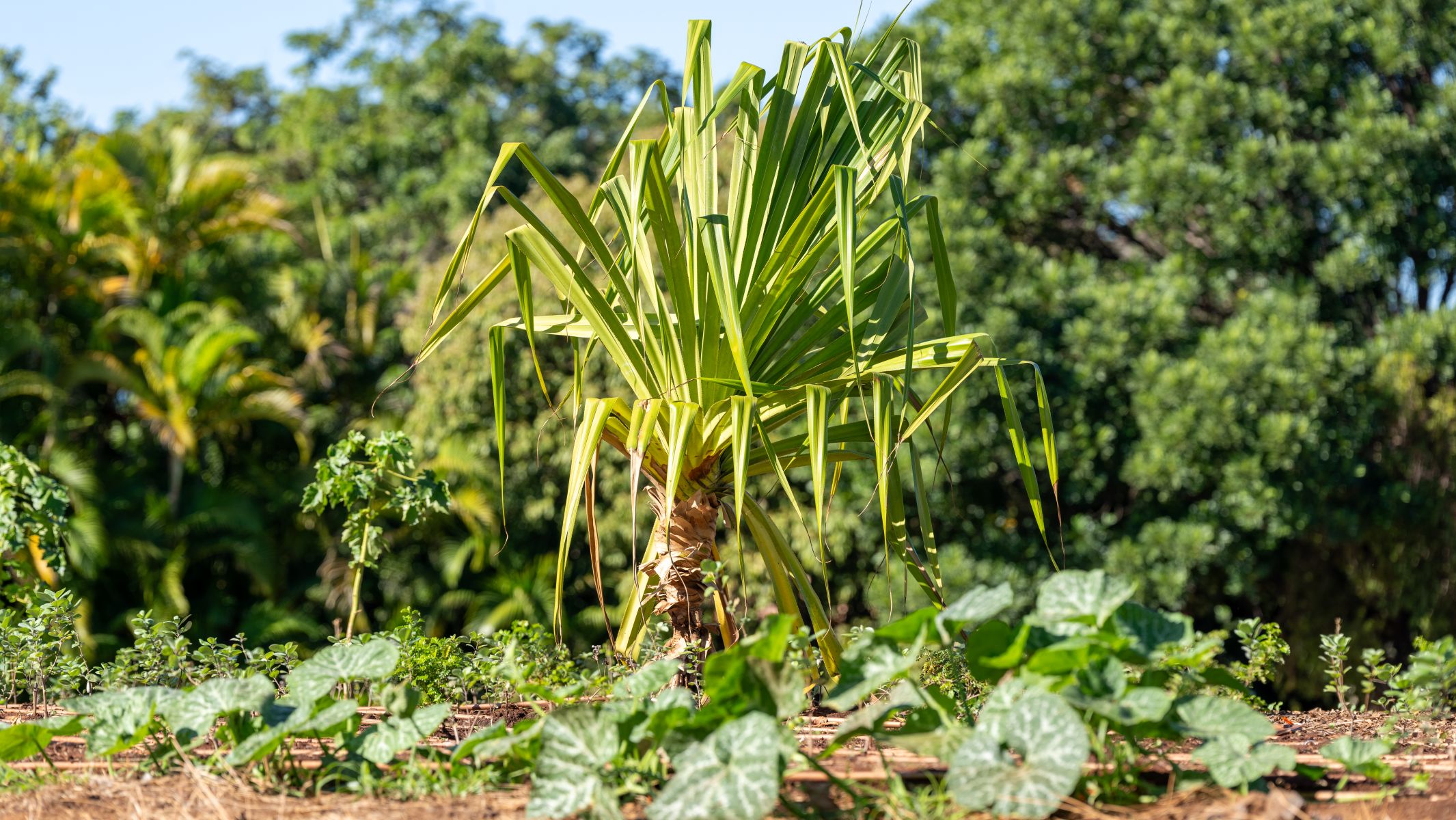
Hauʻoli Mahina ʻŌlelo Hawaiʻi! Hauʻoli Mahina ʻŌlelo Hawaiʻi - Happy Hawaiian Language Month! February is Hawaiian language month and celebrates...
Read More
A Visit to Hawai’i Island with Jimmy Medeiros
By Ledcor Maui
/ January 31, 2025
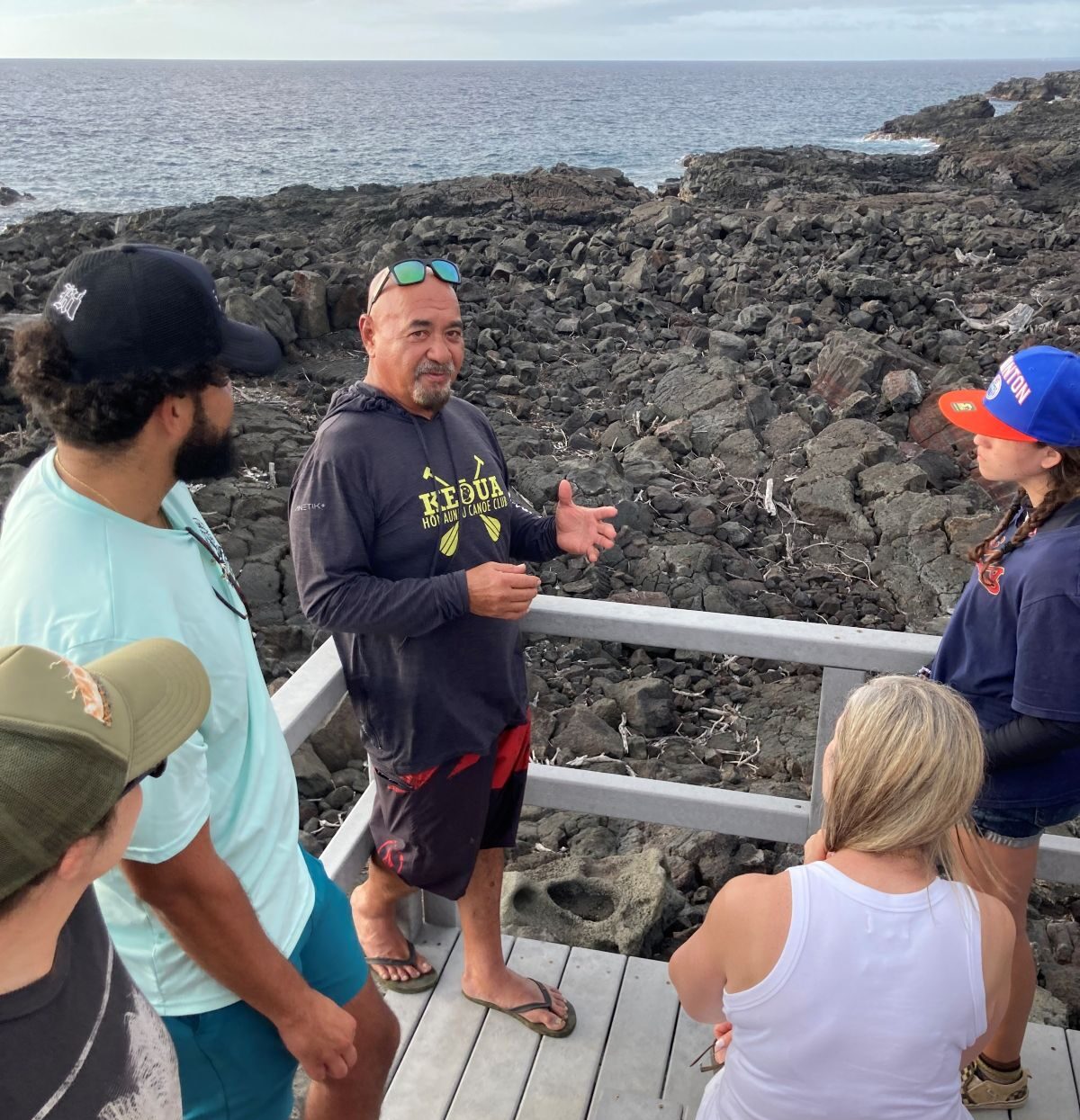
A Visit to Hawai'i Island With Jimmy Medeiros Over a long weekend at the end of 2024, members from the...
Read More
Blessing Celebrates Native Garden Corner in Wailea
By Ledcor Maui
/ January 25, 2025
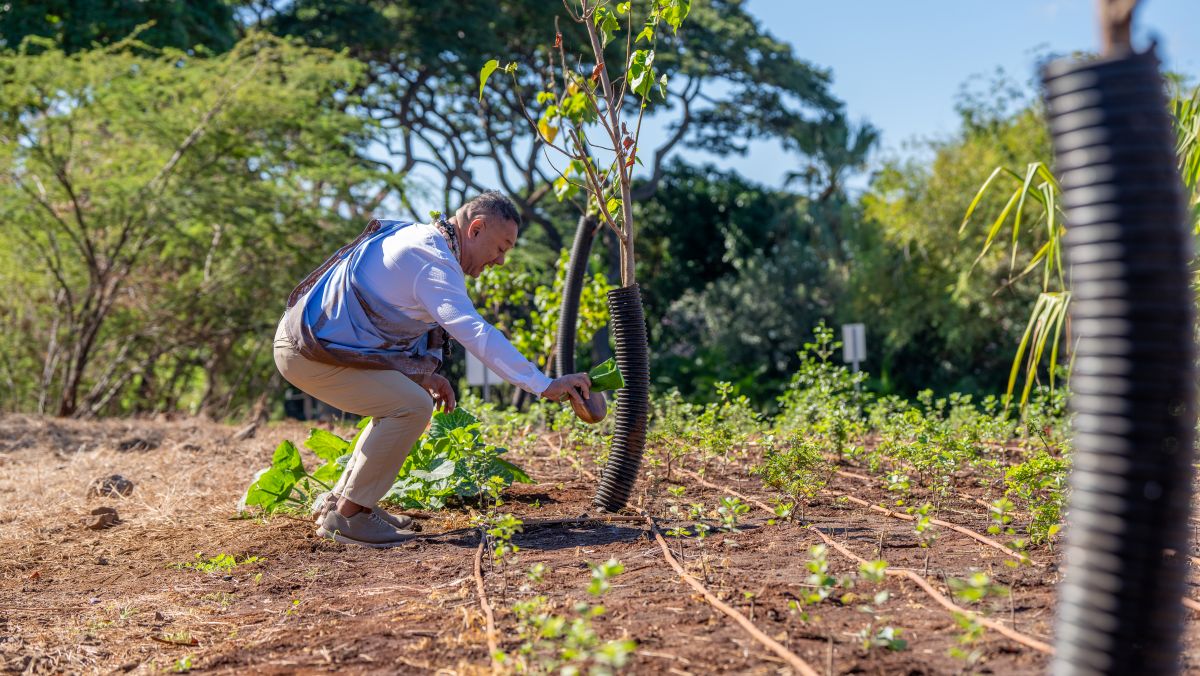
Blessing Celebrates Native Garden Corner in Wailea Friends, colleagues, homeowners and cultural practioners gathered in December at a newly planted...
Read More
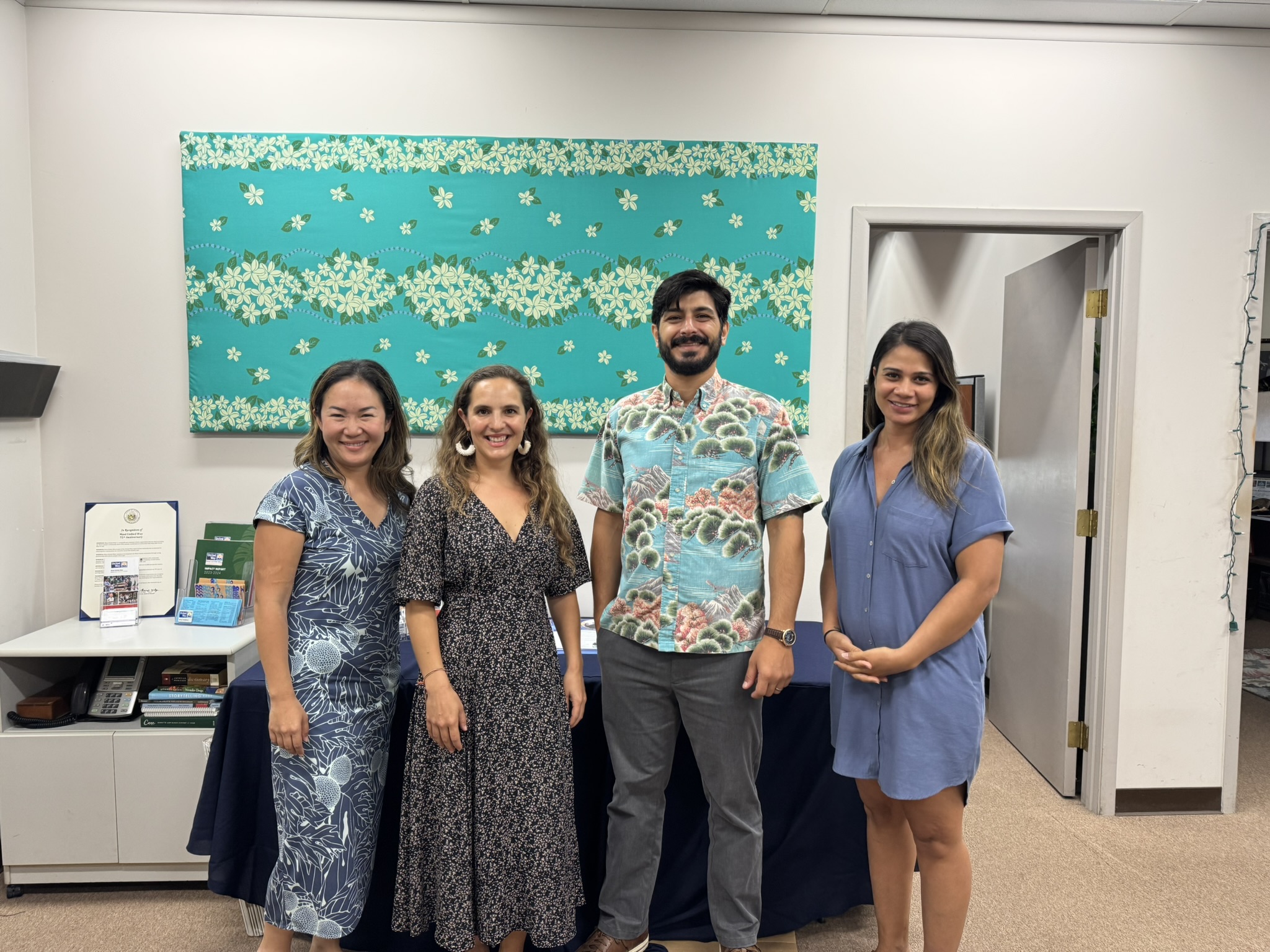
Ledcor Employees Raise funds for Maui Based Non-Profits
By Ledcor Maui
/ January 15, 2025
Ledcor Employees Raise funds For Maui Based Non-Profits Every year Ledcor holds their Employee Giving Campaign where employees are invited...
Read More

Ledcor Maui Welcomes Clifford Nae’ole as Advisor
By Ledcor Maui
/ December 23, 2024
Ledcor Maui Welcomes Clifford Nae'ole as Advisor The Ledcor Maui team is honored to have Clifford Nae'ole join as a...
Read More

Ledcor Maui attends Kaho’olawe Island Reserve Fundraiser
By Ledcor Maui
/ December 15, 2024
Ledcor Maui attends fundraiser for Kaho'olawe Island Reserve Commission On December 14 under the full moon, the Ledcor Maui team...
Read More
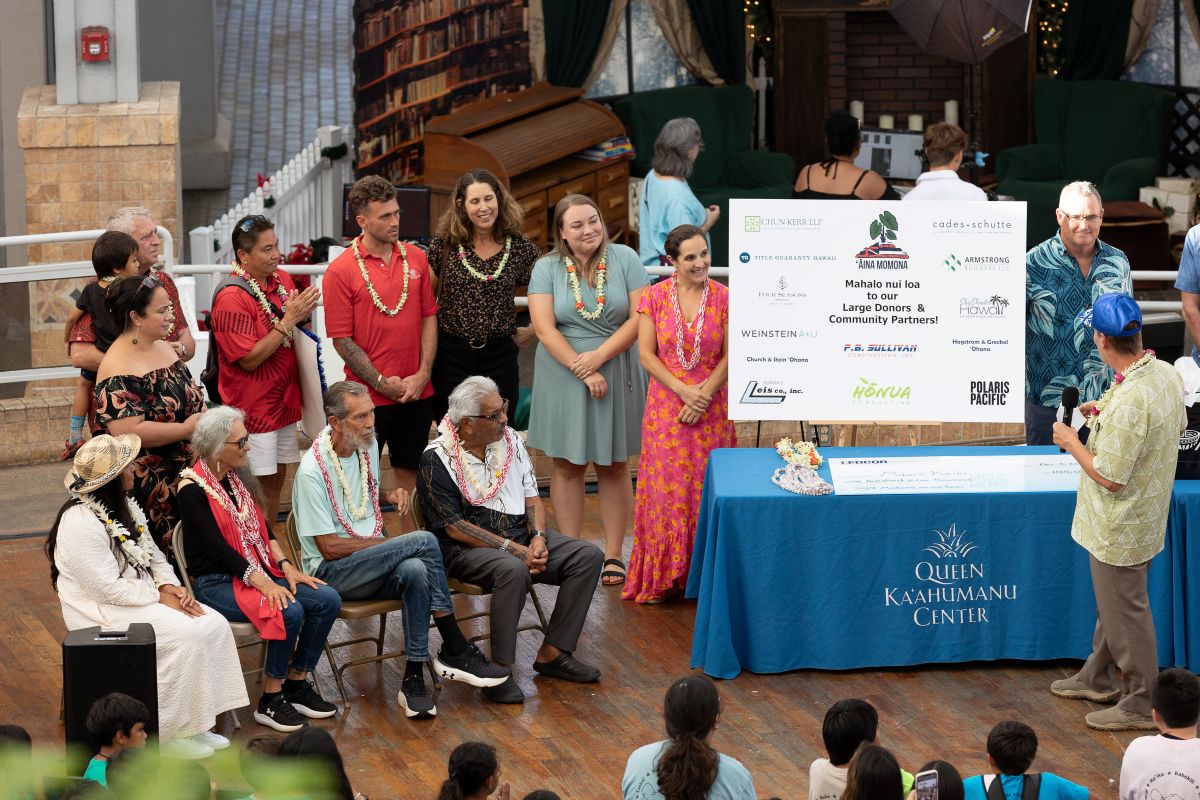
Local Businesses Partner to Support Maui’s Youth
By Ledcor Maui
/ December 12, 2024
Local Businesses Partner to Support Maui's Youth Ledcor Maui's second annual Makana no nā Keiki (Gifts for Children) raised $105,000 for...
Read More
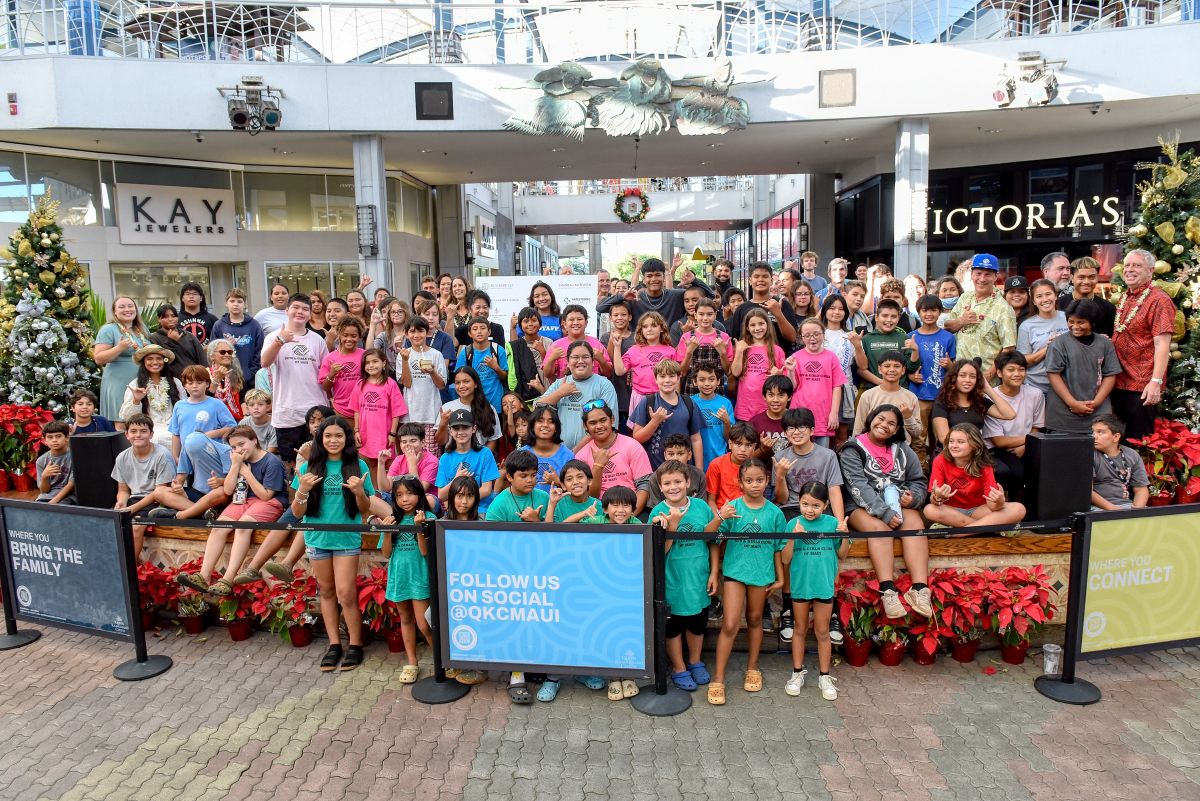
Makana no nā Keiki 2024 a Grand Success!
By Ledcor Maui
/ December 6, 2024
Makana no nā Keiki 2024 A Grand Success! On December 5, 2024 over 100 keiki gathered enjoyed a festive day of...
Read More
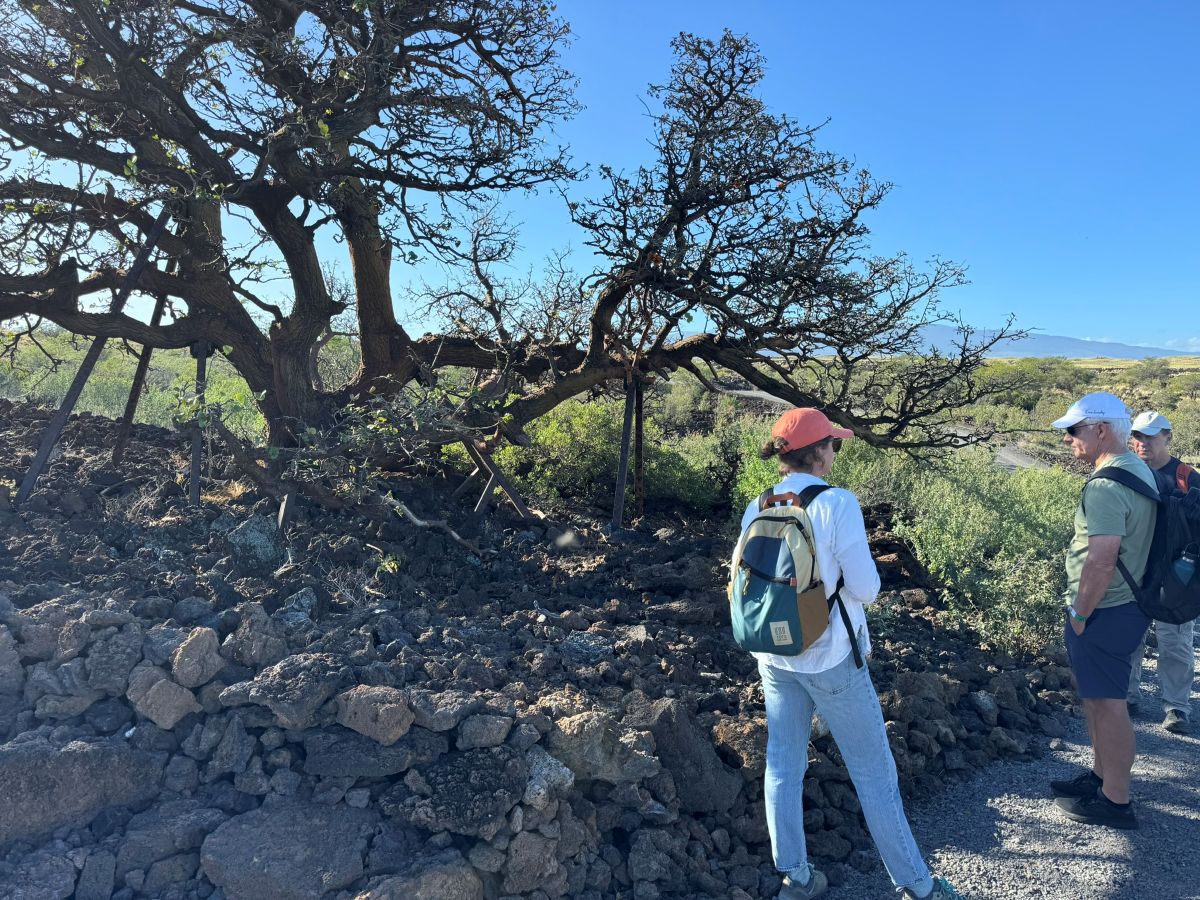
Ledcor Maui team Visits Waikōloa Dry Forest Preserve
By Ledcor Maui
/ November 21, 2024
Ledcor Maui team visits Waikōloa Dry Forest Initiative The Ledcor Maui team visited Hawaii Island and took a tour of...
Read More
Ledcor Maui Raises over $100K for Maui’s Keiki Second Year in a Row
By Ledcor Maui
/ November 18, 2024
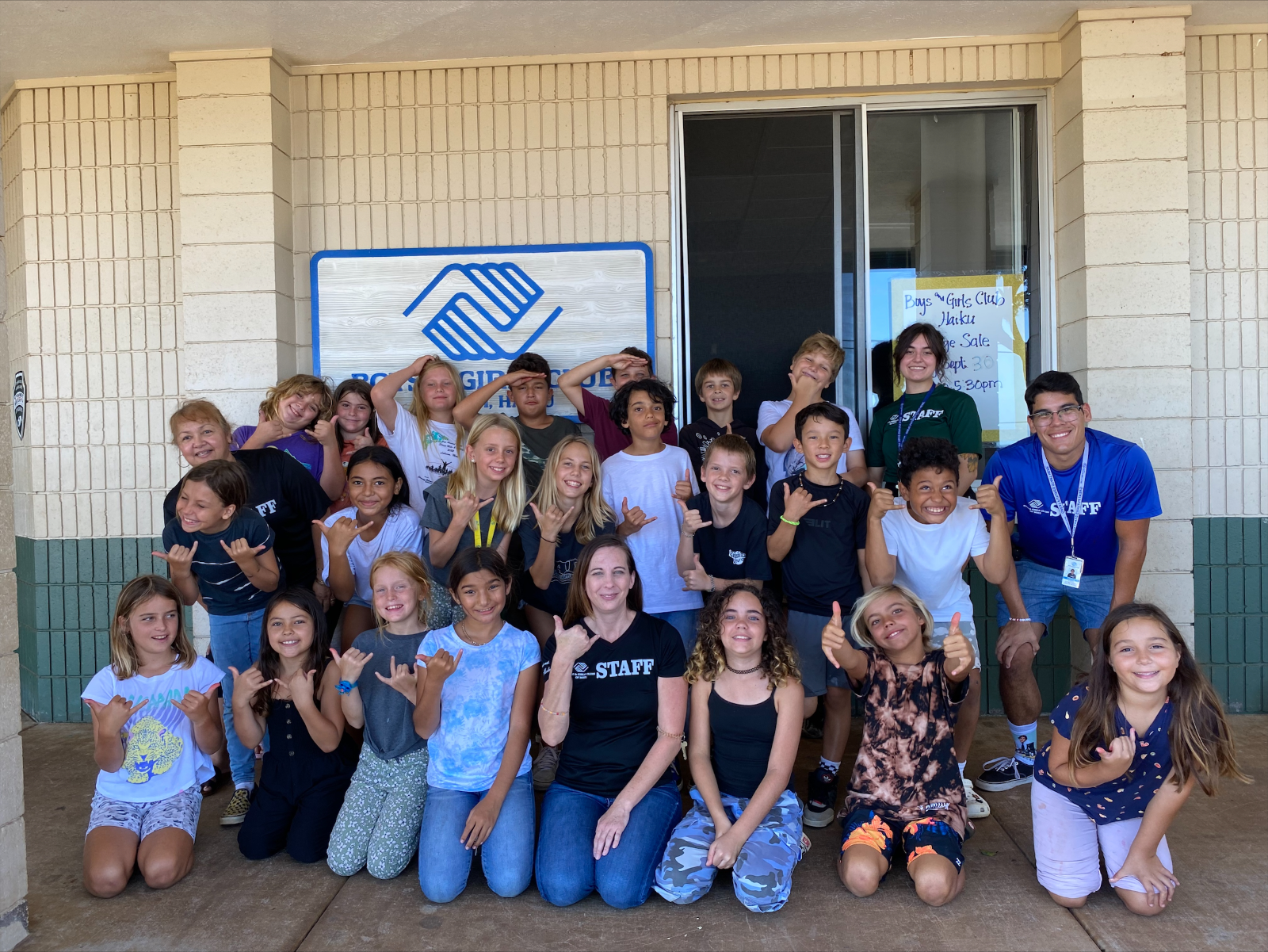
Ledcor Maui Raised over $100K For Second Year in a Row The second annual Makana no nā Keiki – gifts for children...
Read More
Hauʻoli Makahiki Hou!
By Ledcor Maui
/ November 16, 2024
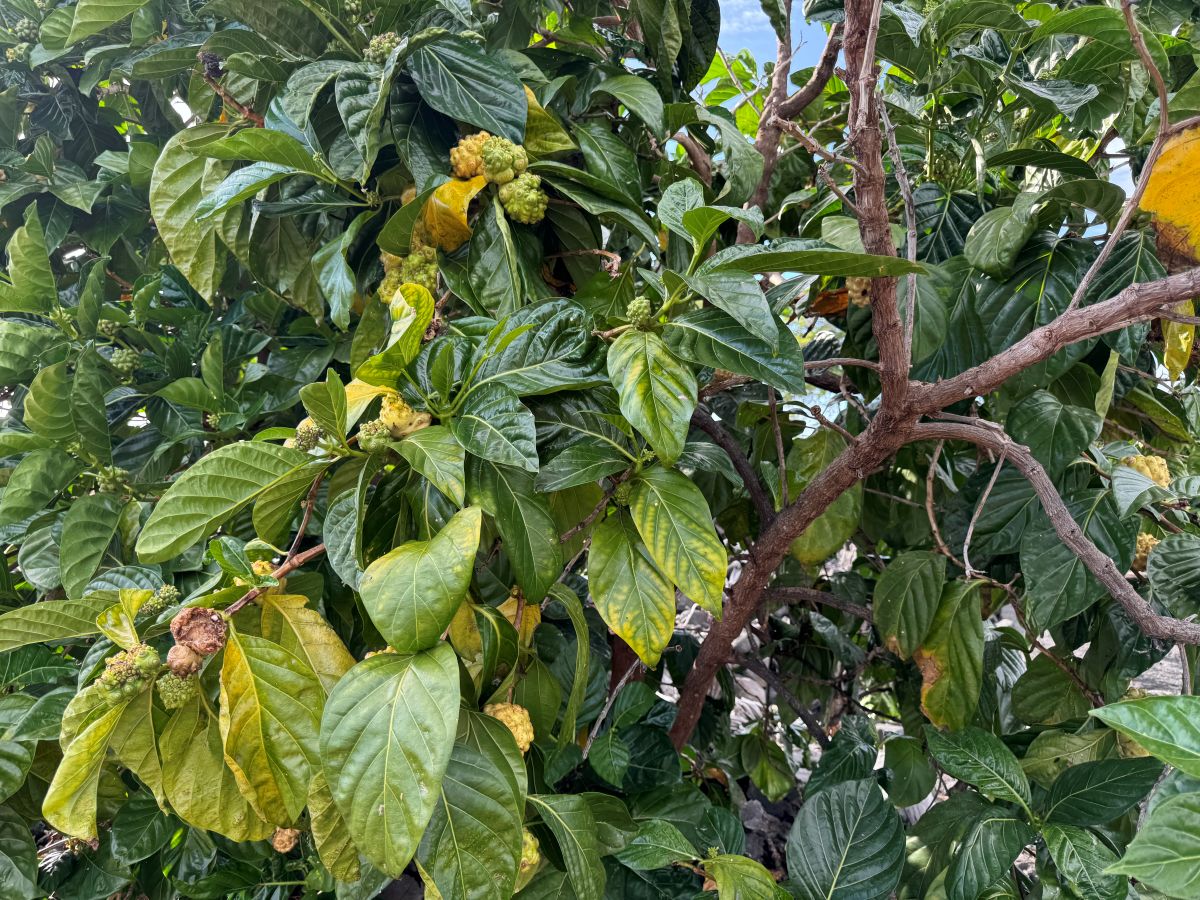
Hauʻoli Makahiki Hou! As we approach the holidays, rather than feeling stressed out, we can try to think of this...
Read More

Ledcor Maui’s 2nd Annual Makana no nā Keiki Gift Drive
By Ledcor Maui
/ October 23, 2024
Donate Now to Ledcor Maui’s 2nd Annual Makana no nā Keiki Gift Drive Last year, the team at Ledcor Maui...
Read More
Mahalo to Laʻi Loa’s local workforce
By Ledcor Maui
/ October 11, 2024
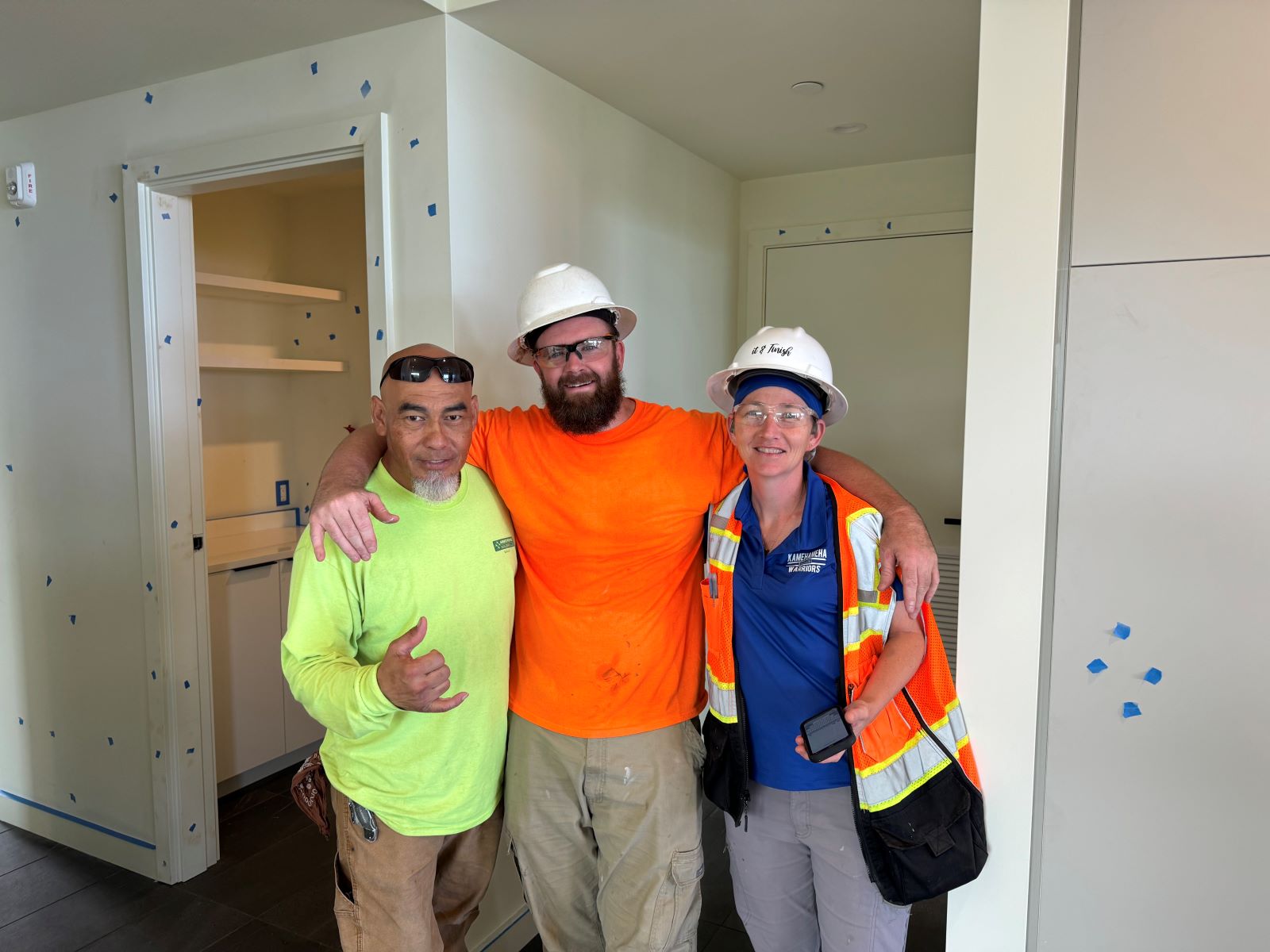
Mahalo to Laʻi Loa's Local Workforce Laʻi Loa, the recently completed condominium project in Wailea, was built thanks to many...
Read More